
Ancient Healing for Modern Times: What You Need to Know About Ayurveda
If you've ever been told to drink warm water first thing in the morning, eat your biggest meal at lunch, or treat yourself to an oil massage, you've already brushed up against Ayurveda. This ancient system is moving from the margins into the mainstream, and for good reason. In a world that rewards burnout, Ayurveda offers something radical: balance.
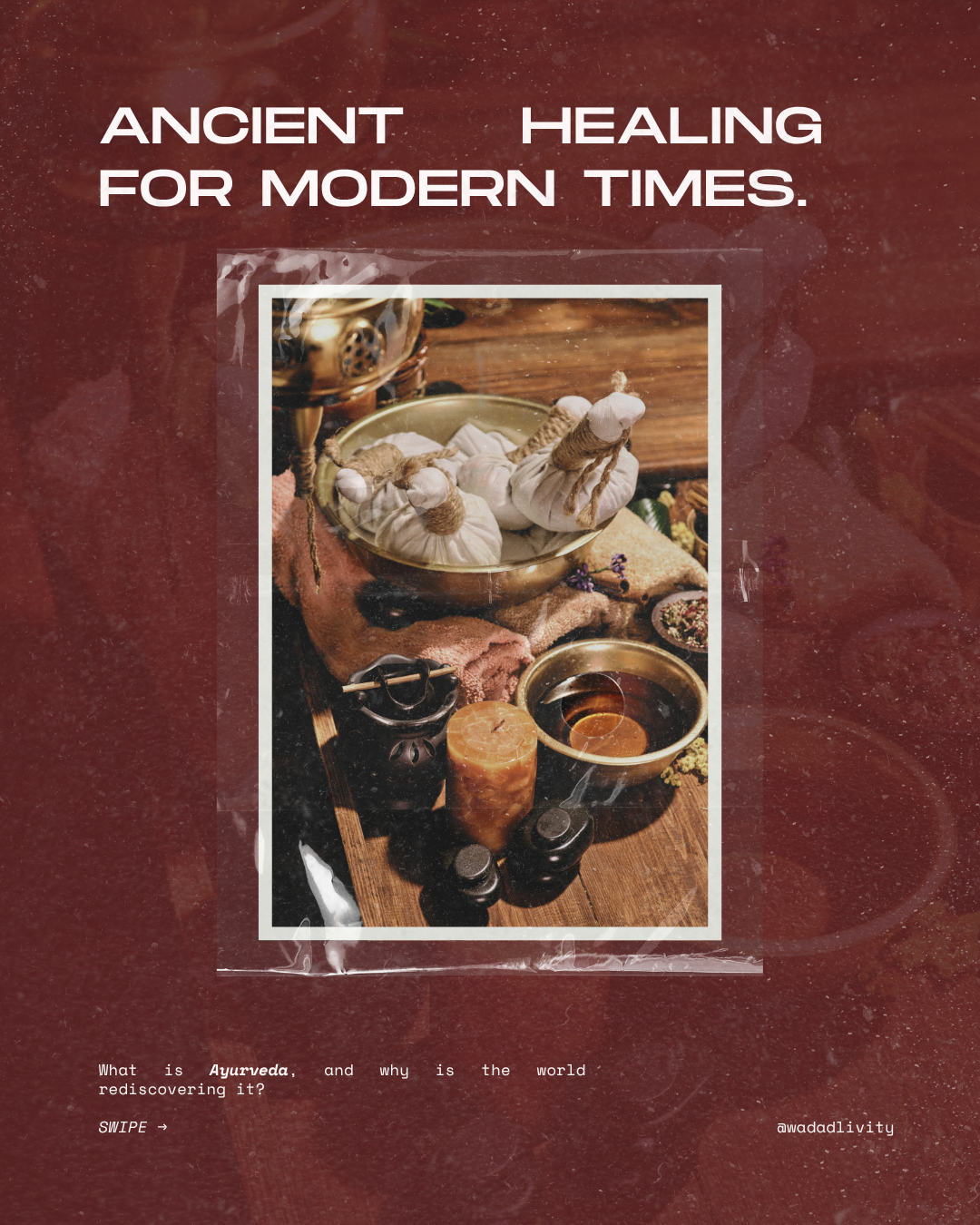
What is Ayurveda?
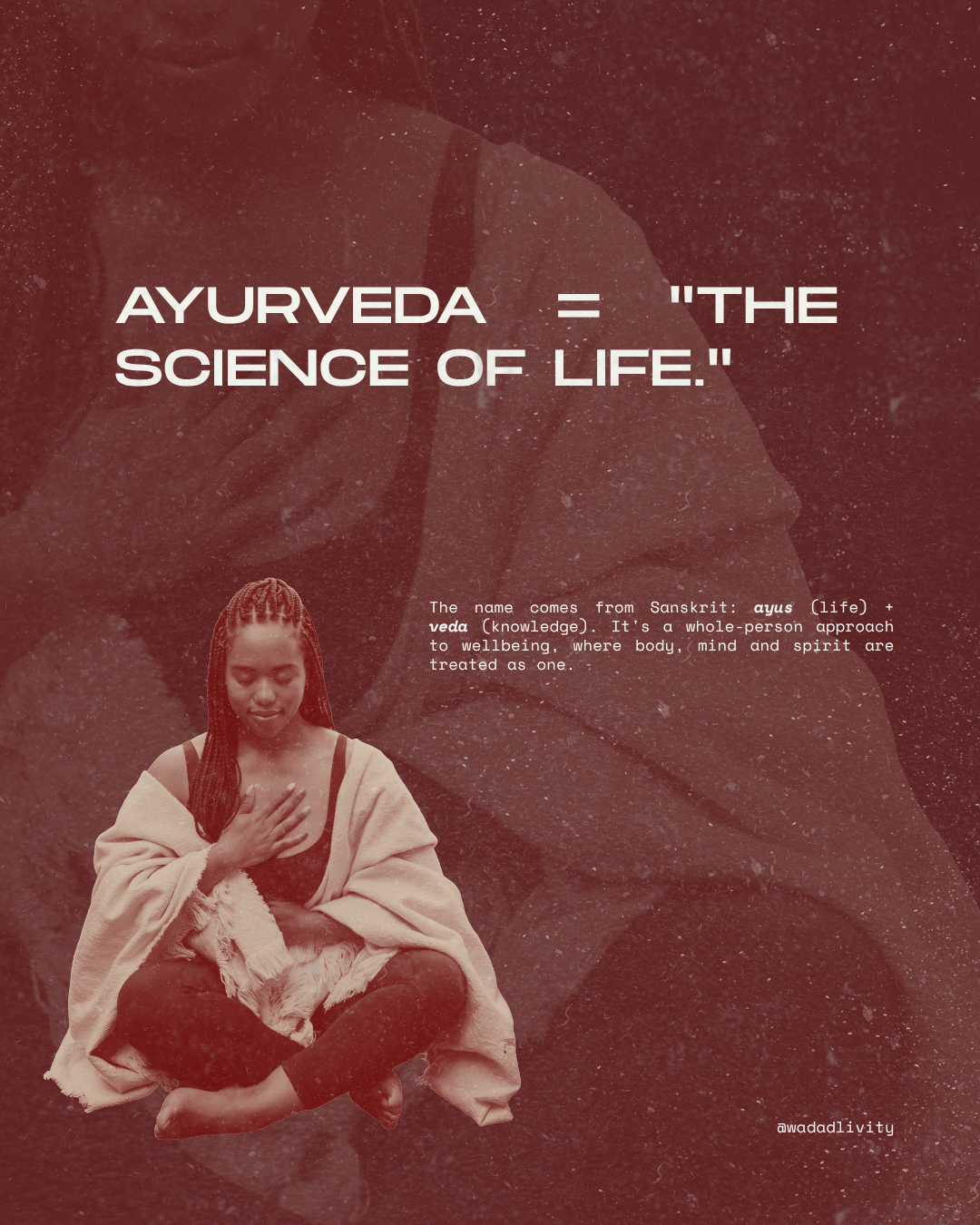
Ayurveda comes from two Sanskrit words: ayus, meaning life, and veda, meaning knowledge. Together they translate to "the science of life." It is a whole-person approach to health that looks at body, mind and spirit together rather than treating symptoms in isolation. UConn Health's overview of Ayurveda describes it as a way of living as much as a medical system, and notes that the familiar "mind, body and spirit" idea has roots in Ayurvedic thought.
An ancient origin story
Ayurveda originated in India and is rooted in the Vedas, ancient texts of knowledge. Sources differ on exactly how old it is. The Merck Manual describes it as India's traditional medical system, originating more than 4,000 years ago, while other accounts trace its foundations even further back. What matters is that it has been practised, refined and passed down continuously for millennia, and it is widely practised in India today.
The doshas: your personal blueprint
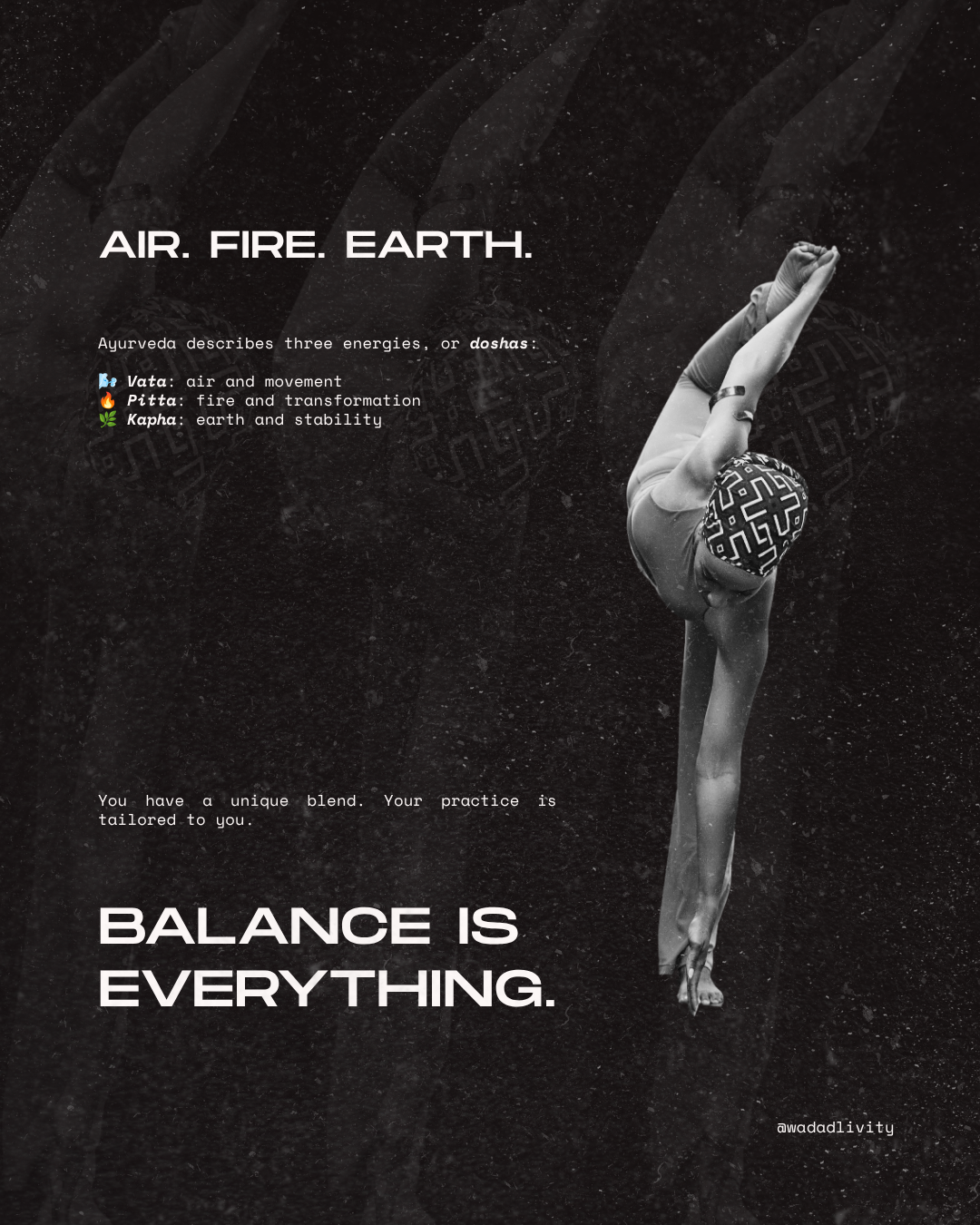
At the heart of Ayurveda are three doshas, or bodily qualities: vata, pitta and kapha. Vata is associated with air and movement, pitta with fire and transformation, and kapha with earth and stability. According to Ayurvedic theory, illness arises when the body's life force, or prana, falls out of balance. Most of us have one dominant dosha, but the exact blend is unique to each person.
That's what makes Ayurveda feel so different from one-size-fits-all wellness advice. A practitioner will ask about your symptoms, habits and lifestyle, look at things like your eyes, tongue and skin, and then design a plan that's personal to you.
Popular Ayurvedic practices
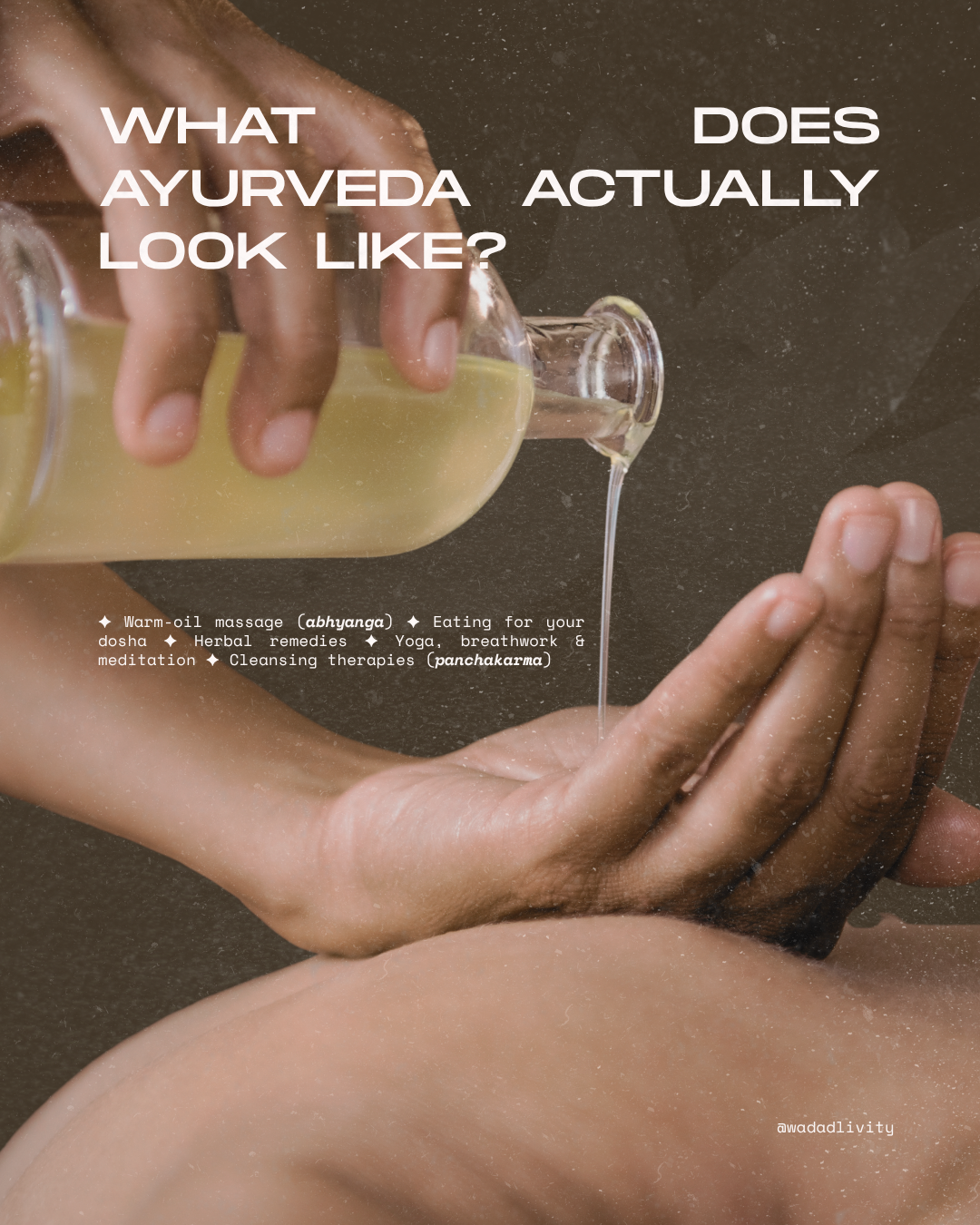
Ayurveda draws on a rich toolkit, including:
Abhyanga: a warm-oil massage designed to relax muscles and calm the nervous system.
Nourishing food: eating in tune with your dosha, the seasons and your digestion.
Herbal medicine: plant-based remedies used by trained practitioners.
Yoga, breathwork and meditation: often called sister practices to Ayurveda, because they share the same philosophy of balance.
Panchakarma: a series of cleansing, or "therapeutic elimination," treatments.

What is Ayurveda used for?
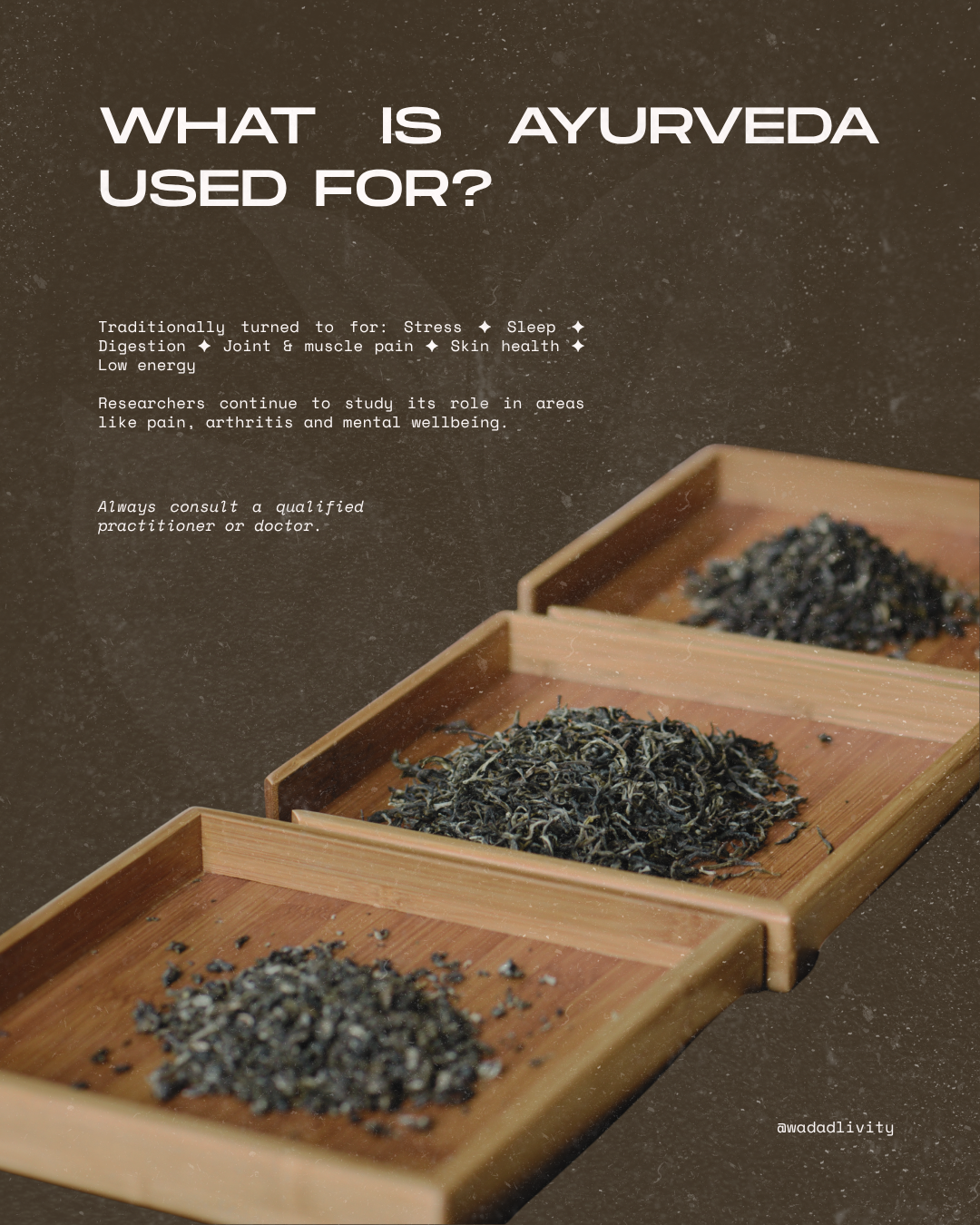
People traditionally turn to Ayurveda to support stress relief, better sleep, digestion, joint and muscle comfort, skin health and overall vitality. Researchers have also explored its role in conditions including allergic rhinitis, mental health, neurological conditions, pain, arthritis and diabetes, according to the Merck Manual. It's worth being honest, though: as with other whole medical systems, high-quality research is difficult to conduct, so Ayurveda is best viewed as a complement to, not a replacement for, conventional care.
A note on safety
Good Ayurveda is guided Ayurveda. The same Merck Manual entry cautions that some herbal preparations have been found to contain heavy metals such as lead, mercury and arsenic. The International Society for Ayurveda and Health recommends using Ayurvedic herbs or detox practices only when prescribed and supervised by a trained practitioner. Talk to your doctor before starting any new herbal or cleansing regimen, especially if you are pregnant, managing a health condition or taking medication.
Experiencing Ayurveda in the Caribbean
Reading about Ayurveda is one thing. Feeling a warm-oil treatment melt a week's worth of tension is another.
On the northwest coast of St. Lucia, BodyHoliday is home to Pavitra, an authentic Ayurvedic pavilion where guests can learn about and practise Ayurveda through treatments, cuisine, movement and meditation. Afar magazine has described Pavitra as the only genuine Ayurvedic temple in the West Indies, set within a Moorish-inspired wellness centre that blends East and West. Guests can consult with an Ayurvedic practitioner and enjoy dosha-informed treatments, all within an all-inclusive resort that has long been recognized as one of the world's leading destination spas.
That's why we chose it for our first St. Lucia retreat.
Join us in St. Lucia
From March 26-30, 2027, we're bringing yoga, meditation, island exploration and deep rest to BodyHoliday. Think sunrise practice, ocean air, nourishing food and the chance to experience Ayurvedic wellness in one of the Caribbean's most beautiful settings. It's Afro-Caribbean wellness meets ancient wisdom, designed for women and couples ready to slow down and reset.
Explore the retreat and reserve your spot → wadadlivity.com/st-lucia

This article is for general information only and is not medical advice. Please consult a qualified healthcare professional before starting any new wellness regimen.
Sources
Merck Manual (Singla, A., Mayo Clinic), Ayurveda
UConn Health, About Ayurveda
BodyHoliday, Ayurveda at BodyHoliday
Afar, Enjoying a World of Cultures at This Wellness Retreat in St. Lucia